
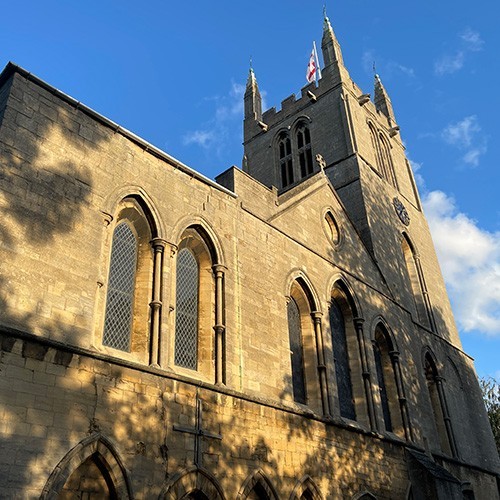
Bourne Abbey Church (St. Peter and St. Paul)
Historic Sites
Founded in 1138, this Grade I listed church retains much of its original Norman architecture.
Landmarks and historic places
Founded in 1138, this Grade I listed church retains much of its original Norman architecture.
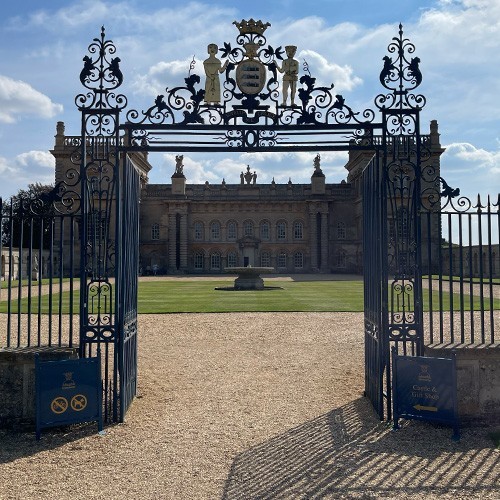
A grand stately home with architectural styles spanning from the 13th century onwards. The estate includes extensive gardens and parkland.
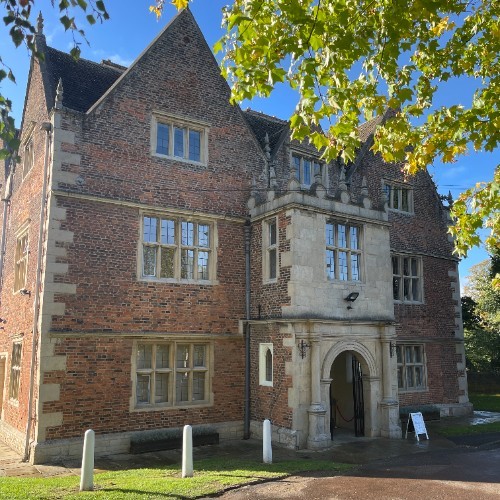
Built in 1605, this distinctive red-brick building has served various roles, including as a railway booking office.
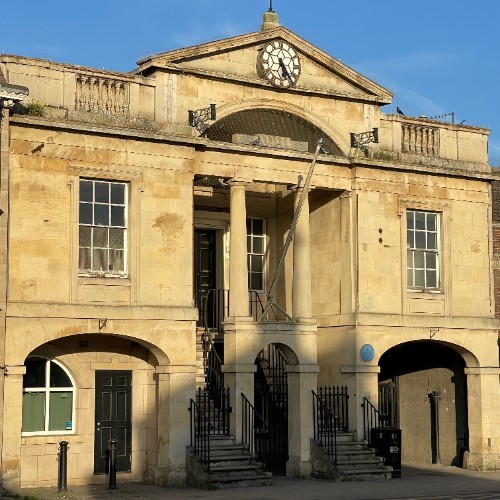
Constructed in 1821 in the Neoclassical style, it has functioned as a market hall and courthouse.
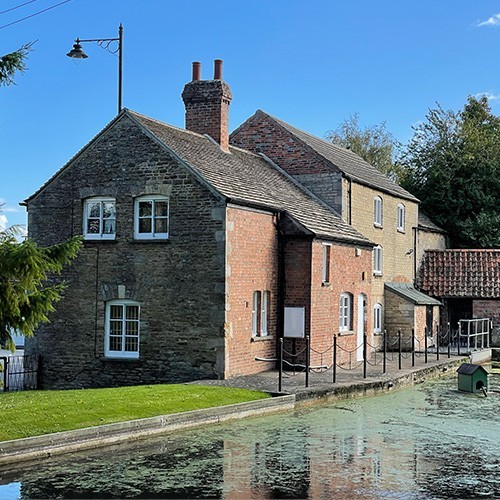
A 200-year-old mill housing exhibits on local history, including displays about racing driver Raymond Mays.

An early 17th-century Jacobean house, once home to Henry Burtt, associated with the creation of the radio programme The Archers.
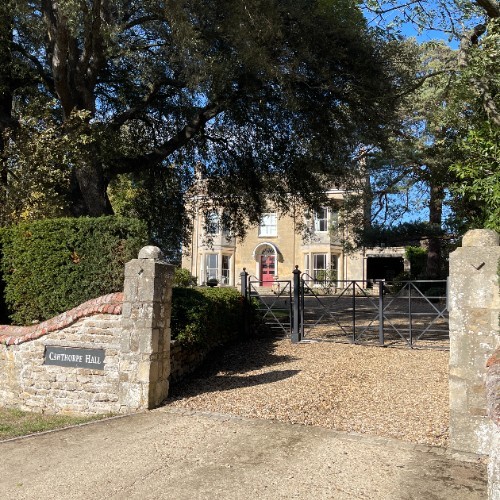
A late 18th-century Grade II listed house, possibly with 17th-century origins.
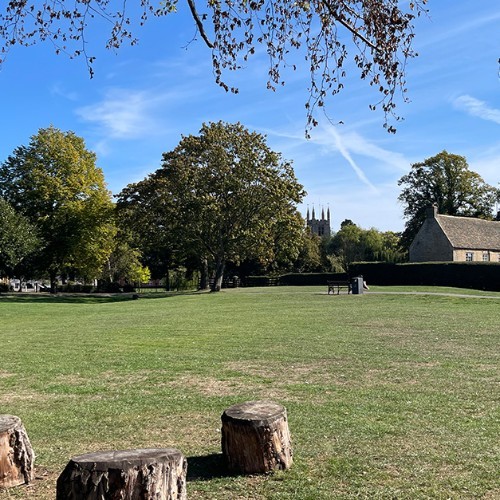
A 21-acre parkland featuring waterways and tree-lined paths, especially picturesque in spring.
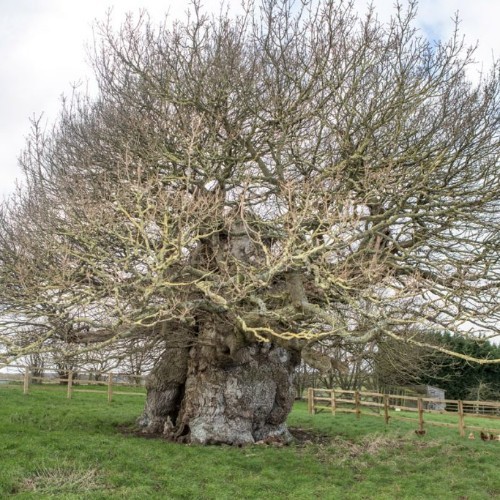
Ancient oak tree with a massive trunk and sprawling branches. Over 1,000 years old and located in the peaceful Lincolnshire countryside with nearby walking trails.
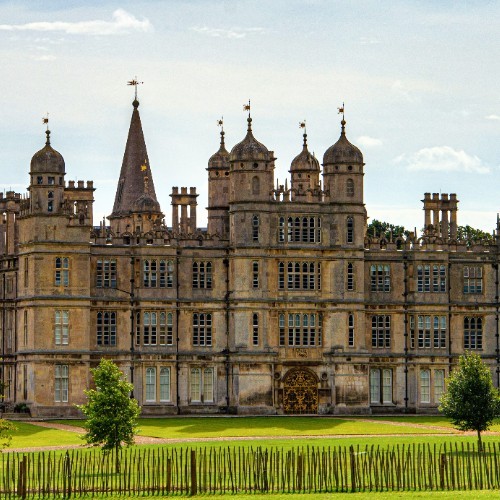
Burghley House offers visitors a grand Tudor mansion with lavishly decorated rooms, stunning Capability Brown gardens and seasonal events including the renowned Horse Trials.
The historic 17th-century birthplace and childhood home of Sir Isaac Newton, where he formulated his theory of gravity.
A unique Grade I listed Church of England parish church and ruined former Benedictine monastery in Crowland, Lincolnshire. The Abbey ruins date back to the 8th century.
Formally known as the Cathedral Church of St Peter, St Paul and St Andrew, is one of the most structurally intact and architecturally significant Norman cathedrals in the United Kingdom.
A globally significant Bronze Age site located on the eastern outskirts of Peterborough. It is famous for preserved wooden causeways.
An atmospheric 13th-century stone tower that stands as one of the very few surviving remnants of a Knights Templar site in England.
A historic abandoned railway tunnel located in Lound, roughly 3 miles south-west of Bourne.
A beautiful, 13th-century, Grade I listed parish church located just 2 miles south of Bourne.
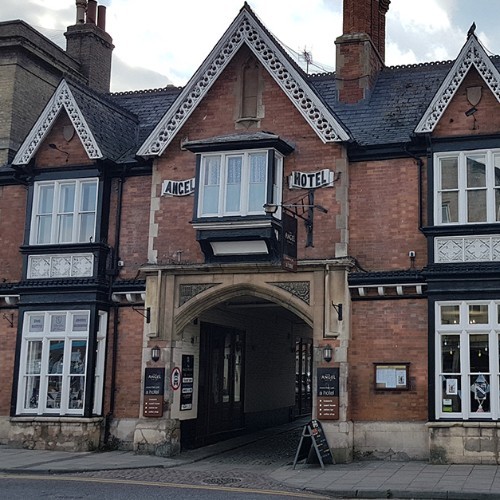
A historic, Grade II listed 18th-century former coaching inn located in the heart of the town on North Street.
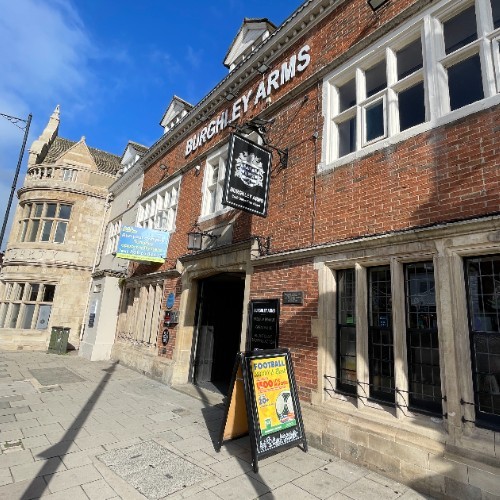
A Grade II listed community pub operated by Craft Union, located at 6 North Street in the heart of Bourne town centre.
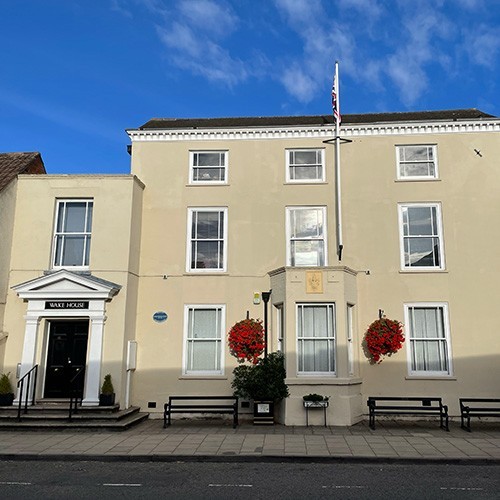
Grade II listed community and business centre at 41 North Street, Bourne, once the home of couturier Charles Worth. Run by Bourne Arts and Community Trust; offers low-cost room hire and hosts over 40 arts, community and education groups.
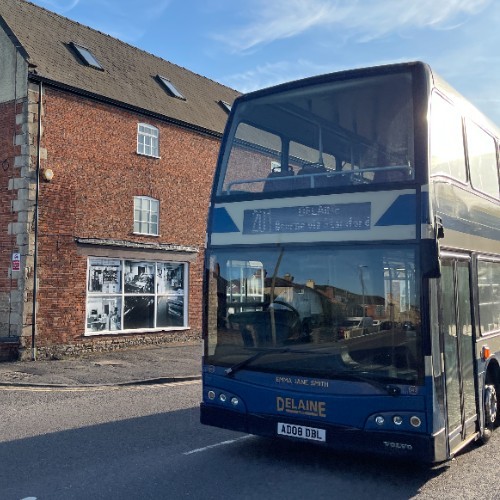
A dedicated transport museum located at 8 Spalding Road in Bourne. Managed by the Delaine Heritage Trust, it preserves and celebrates the extensive history of Delaine Buses, one of England’s oldest independent bus operators.
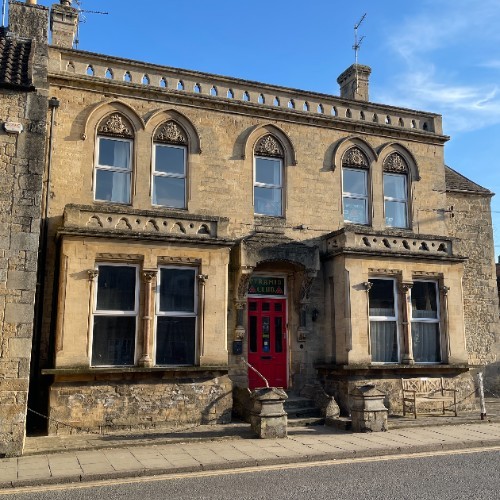
A member-owned snooker, pool, and social club located on West Street, Bourne.
Bourne's historic Old Town Hall, currently being restored into a community arts and entertainment venue with an 80-seat cinema/theatre auditorium. Its ground floor already operates as a bar and entertainment space known as The Shambles, funded by a 3.3 million pound National Lottery grant.
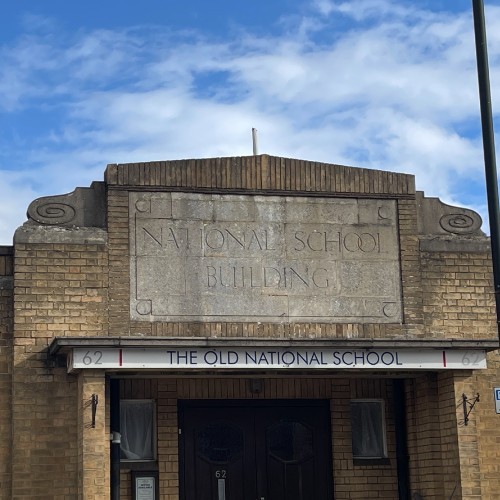
A historic, late-19th-century yellow brick former school building that has been converted into local commercial office space.
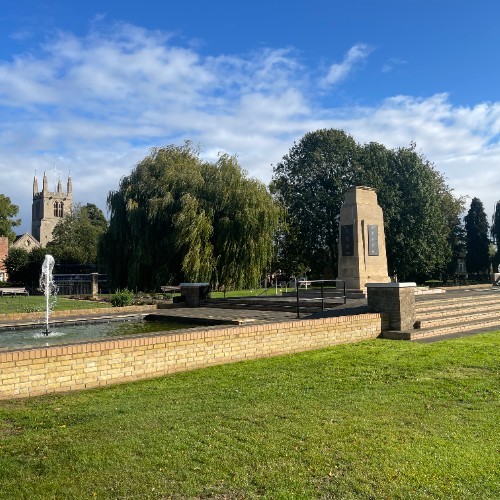
Portland stone cenotaph in the War Memorial Gardens on South Street, Bourne, unveiled in 1956 with ornamental pools and fountains. Commemorates the fallen of both World Wars and later conflicts; focal point of the town's Remembrance services.
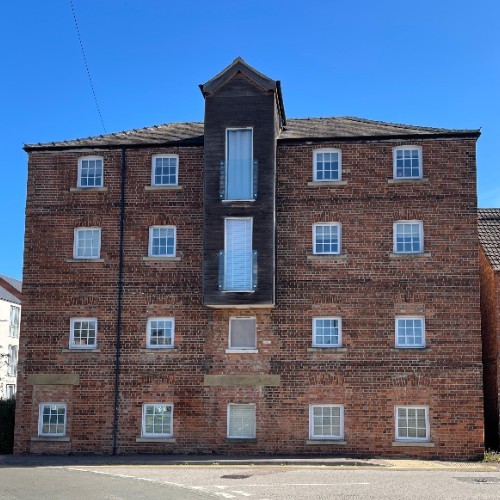
A prominent, four-storey historic landmark located on Wherry's Lane (between North Street and Burghley Street) in the heart of Bourne.
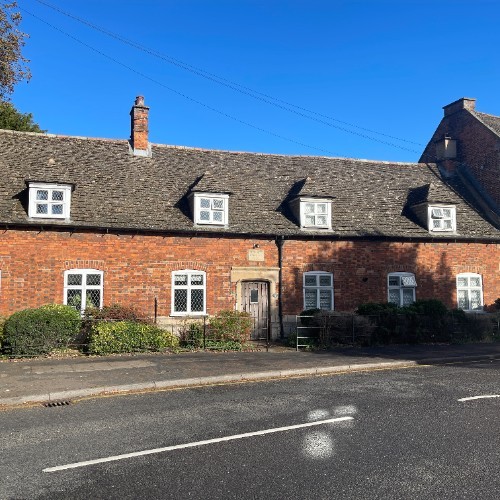
The historic Bourne almshouses were originally founded on South Street in 1636 by William Trollope to provide housing for the elderly.
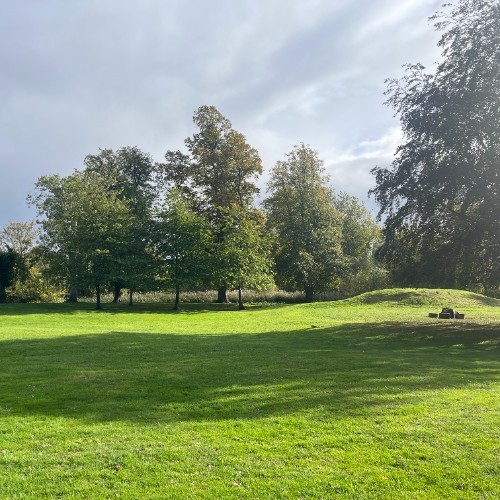
Bourne Castle was a medieval concentric fortress in Lincolnshire built shortly after the Norman Conquest to suppress local Saxon rebellions. Though demolished in the 1640s during the English Civil War, its legacy endures through the visible banks and moats preserved inside Wellhead Park.

If your business, group or organisation belongs in this category, add it to the directory for free.